A regular infection prevention and control audit is one of the most reliable ways to know whether your infection control policies are working in practice, not just on paper. For care homes, GP surgeries, clinics, hospices and mental health services, audits show where standards are slipping before an outbreak or an inspection exposes the problem.
This guide explains what an IPC audit should cover, how to carry one out step by step, how to choose an IPC audit tool and how to turn your findings into real improvements.
Written by the Infection Prevention Solutions team, independent infection prevention and control specialists supporting health and social care providers across the UK.
1. What Is an Infection Prevention and Control Audit?
An infection prevention and control audit is a structured check of your premises, equipment and staff practice against current legislation, national guidance and your own policies. Each question is scored, the results show how compliant you are, and an action plan sets out what needs to change.
Audits can be broad, covering every area of a service, or focused on a single subject such as hand hygiene, sharps management or environmental cleanliness. Most providers use a mix of both. If you are new to the subject, our guide to what infection prevention and control is and why it matters is a good place to start.
2. Why IPC Audits Are Expected of Every Provider
In England, the Health and Social Care Act 2008 Code of Practice on the prevention and control of infections sets out what registered providers must do. Among other things, it expects providers to have an audit programme to make sure that appropriate policies and measures have been developed and put in place.
The Care Quality Commission (CQC) looks for evidence that infection risks are managed well when it inspects. A clear audit history, with completed action plans, is one of the strongest pieces of evidence you can show. NHS and NHS-funded services must also meet the National Standards of Healthcare Cleanliness, which include regular technical cleaning audits. You can read more in our article on the National Standards of Healthcare Cleanliness.
3. What an IPC Audit Should Cover
A comprehensive infection control audit usually looks at the following areas:
- Environmental cleanliness: bedrooms, bathrooms, communal areas, kitchens and clinical rooms
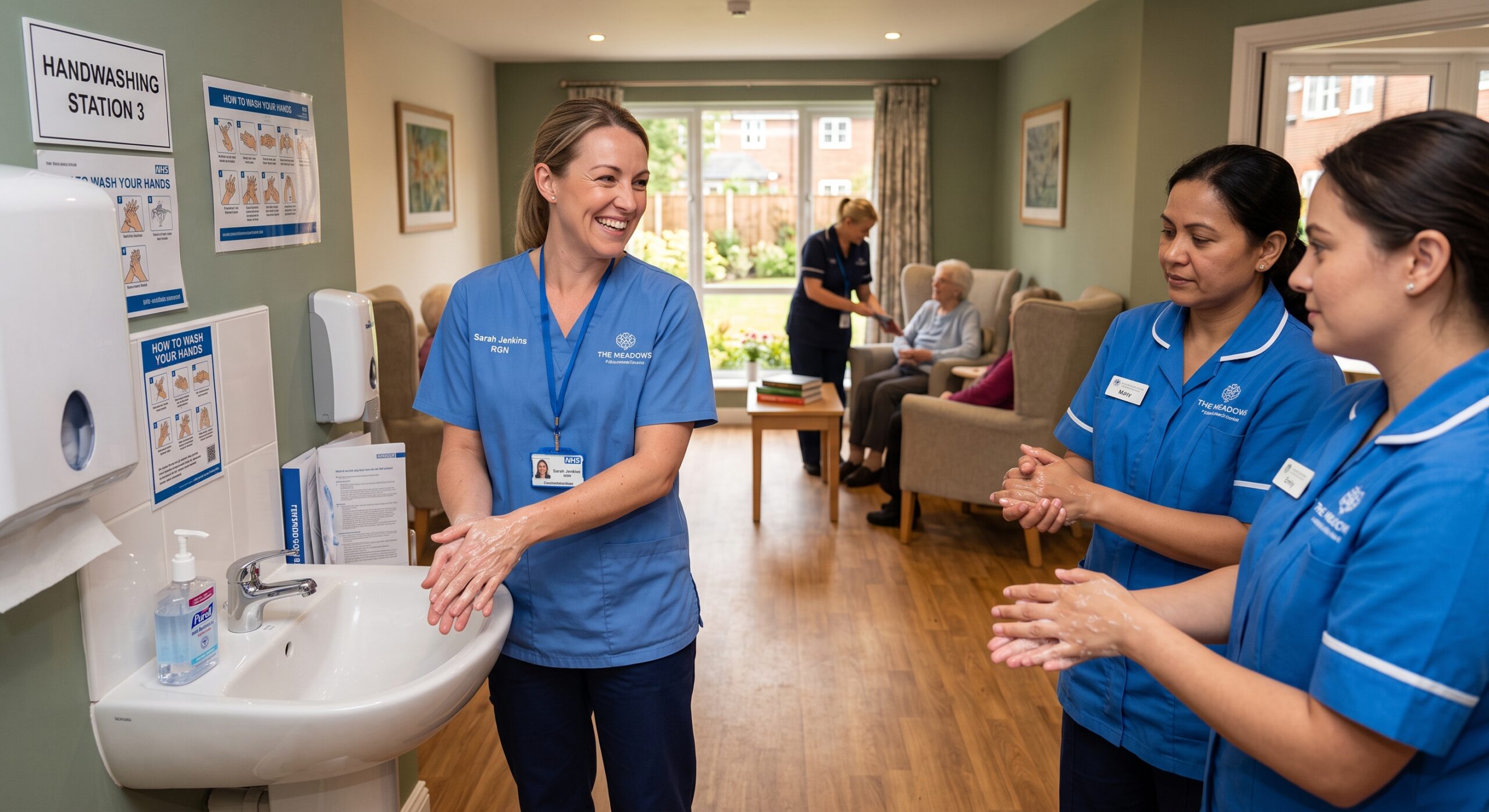
- Hand hygiene: technique, facilities, products and compliance at key moments
- Personal protective equipment: availability, correct selection and safe removal
- Equipment decontamination: cleaning of commodes, hoists, mattresses and clinical equipment
- Sharps and waste: safe disposal, segregation and storage
- Laundry: handling, segregation and washing of soiled and infected linen
- Isolation and outbreak management: procedures for residents or patients with infections
- Governance: policies, training records, the IPC lead role and previous action plans
Care home cleaning audits
For care homes, a baseline cleaning audit is often the first step. It checks current environmental cleaning standards room by room, identifies equipment that is not being cleaned properly, and gives housekeeping teams clear targets. Combining a cleaning audit with a clinical practice audit gives you the full picture.
| Audit type | What it checks | Best used when |
|---|---|---|
| Comprehensive audit | Environment, clinical practice, equipment and governance | Setting a baseline or preparing for inspection |
| Environmental cleaning audit | Cleaning standards across every room and area | Checking housekeeping performance |
| Hand hygiene audit | Staff technique, facilities and compliance | Regular spot checks and after training |
| Single subject audit | One topic such as sharps, laundry or PPE | Following up a known issue |
| Outbreak review | How an incident was managed and what to improve | After an outbreak has been declared over |
4. How to Carry Out an IPC Audit in 7 Steps
Step 1: Plan your audit programme
Set out which audits you will complete over the year, who is responsible and how often each one will be repeated. Higher risk areas and topics should be audited more often.
Step 2: Choose an up-to-date audit tool
Make sure the questions reflect current legislation and national guidance. An out-of-date checklist can give you false reassurance.
Step 3: Prepare the auditor
The person carrying out the audit needs a good understanding of infection prevention and control. Many providers give this role to their IPC lead or link practitioner.
Step 4: Observe, do not assume
Walk the whole area, look at equipment closely, watch staff practice and ask questions. Record what you actually see, including good practice.
Step 5: Score the results
Use a consistent scoring method so results can be compared over time and between locations. Colour-coded scores make it easy to spot problem areas at a glance.
Step 6: Create an action plan
Every shortfall should have a clear action, a named person responsible and a completion date. Share the plan with the team so everyone knows what is changing.
Step 7: Re-audit and close the loop
Repeat the audit to confirm that actions have worked. Keep the original audit, the action plan and the re-audit together as evidence for inspectors.
5. Choosing an IPC Audit Tool
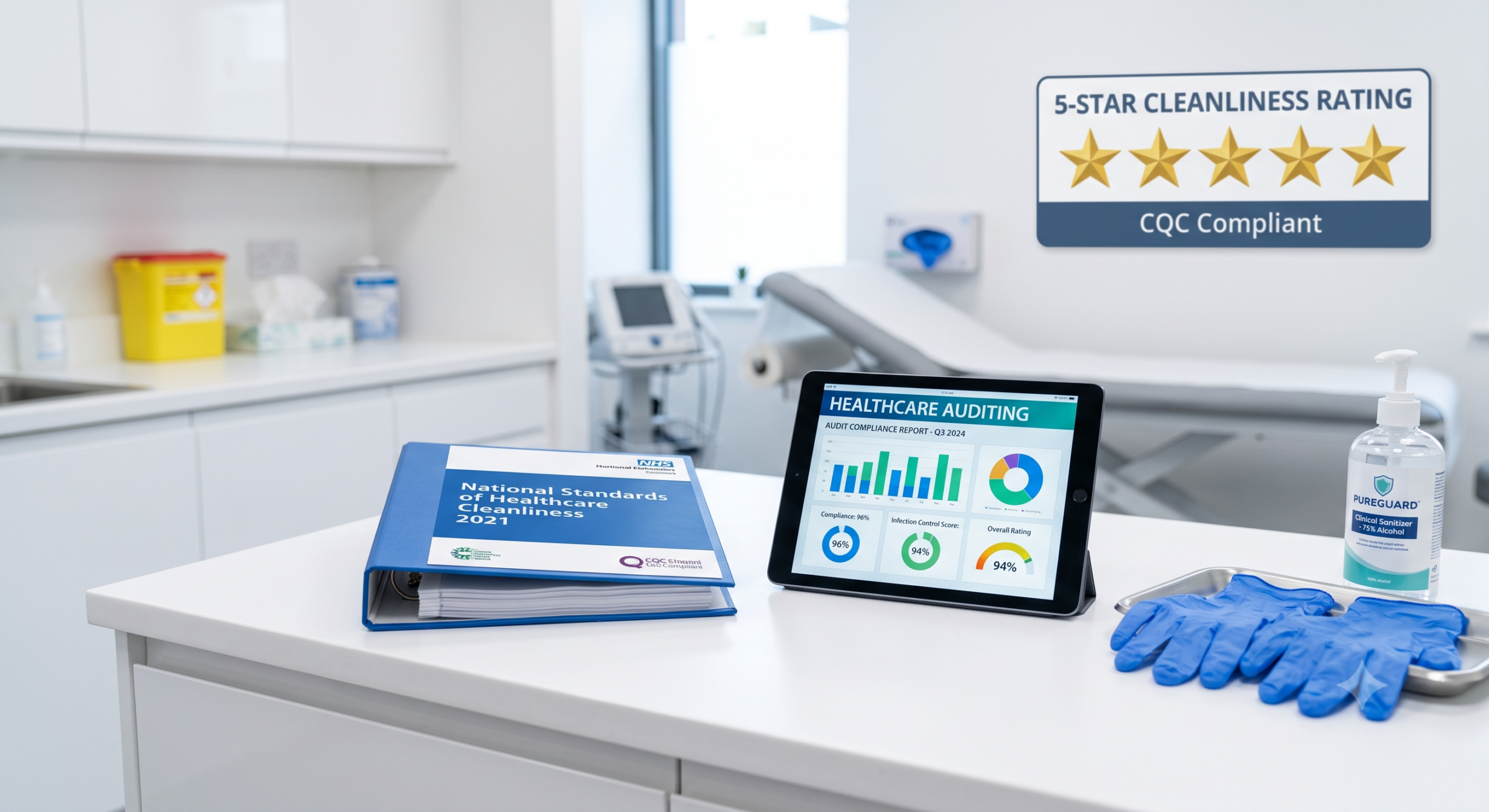
Paper checklists work for small services, but they are slow to complete, hard to compare and easy to lose. A digital IPC audit tool saves time and produces consistent, professional reports.
Our ICAT (Infection Control Audit Technology) software was built for health and social care providers. It lets you:
- Carry out audits on an iPad, mobile phone or Android tablet as you move around your service
- Choose from more than 200 types of audit tool covering settings such as social care, primary care, dentistry and hospices
- Read the rationale behind each question as you work through it
- Generate a full colour-coded report and action plan as soon as you finish
- Manage audits across multiple locations
The content is reviewed and updated regularly so that it reflects the latest legislation, expert guidance and best practice.
6. Self-Audit or Independent Audit?
Both approaches have a place in a strong audit programme.
- Self-audit lets your own staff complete audits as often as needed using a web-based tool, with reports and action plans included. It builds ownership within the team.
- Independent on-site audits bring a fresh pair of expert eyes. One of our qualified team visits your service and provides a fully referenced, colour-coded report and action plan. This is especially useful for setting a baseline, after a change of management or before an inspection.
You can explore audit options for your setting here: social care, primary care, clinics, hospices and mental health services.
7. Turning Audit Results Into Lasting Improvement
An audit only adds value when the findings lead to change. The services that improve fastest usually have a trained IPC lead who owns the audit programme, and link practitioners who champion good practice on every shift. Our article on the IPC link practitioner role explains how this works in practice.
Where audits show gaps in knowledge, targeted training makes a big difference. Take a look at our infection control training, including RCN-accredited courses for IPC leads and link practitioners, or read our guide to infection prevention training.
Frequently Asked Questions
How often should an infection control audit be done?
There is no single rule for every setting. Most providers run a comprehensive audit at least once a year, with more frequent audits for high-risk areas and topics such as hand hygiene and environmental cleaning. Your audit programme should reflect the risks in your service.
Who should carry out an IPC audit?
Audits should be completed by someone with good infection prevention and control knowledge, such as your IPC lead or a trained link practitioner. An independent specialist audit is valuable for an objective baseline.
What is an IPC audit tool?
An IPC audit tool is a structured set of questions used to check compliance with infection control standards. Digital tools such as ICAT guide the auditor through each question and produce reports and action plans automatically.
Is an IPC audit a legal requirement?
Providers registered with the CQC must meet the Health and Social Care Act 2008 Code of Practice on infection prevention and control, which expects an audit programme to be in place. Regular audits are the clearest way to show you are meeting it.
What happens after an IPC audit?
You should receive or create a report showing your compliance scores and an action plan for any shortfalls. Complete the actions, then re-audit to confirm the improvements have been made and sustained.
Get Expert Support With Your IPC Audits
Whether you want a digital IPC audit tool for your team or an independent on-site audit from a qualified specialist, we can help. Contact Infection Prevention Solutions or call us on 020 8906 2777, Monday to Friday, 9am to 5pm.